 Audio for Motion: Lifetime Plans Are Live: Get 20% OFF on Plus plan with Coupon - AUDIO20
 Back to blogs

In today's digital age, the volume of digital assets within businesses is growing exponentially. From images and videos to documents and figma files, these assets are the backbone of many organisations. However, without effective organisation and management solutions, these assets can quickly become a source of chaos rather than productivity. Here, we'll delve into some best practices for organising your digital assets to streamline workflows, enhance collaboration, and maximise efficiency.
Establish a Clear Folder Structure:
Once you are ready with all your digital assets, it is crucial to establish a clear and intuitive folder structure. This structure should be logical and consistent, making it easy for team members to locate and access files quickly. Consider organising assets by project, department, date, or any other relevant categorization method that aligns with your business needs. Avoid overly complex structures that may confuse users and lead to inefficiency.
Platforms with board structure:
Air.inc
Crafttor.com - Workspace by Crafttor
Box.com
Playbook.com
Define Tags:
In addition to file names, add maximum tags you can to further enhance searchability and categorization. Tagging makes it very easy to search from a large amount of data and adding more and more tags makes it clear to the search engine to provide the exact file or asset you are looking for. Each tag adds valuable context, making asset management more efficient. The tags practice approach empowers users to find and filter assets with precision, boosting productivity and collaboration.
Platforms provide tagging system:
Air.inc
Crafttor.com - Workspace by Crafttor
Box.com
Playbook.com
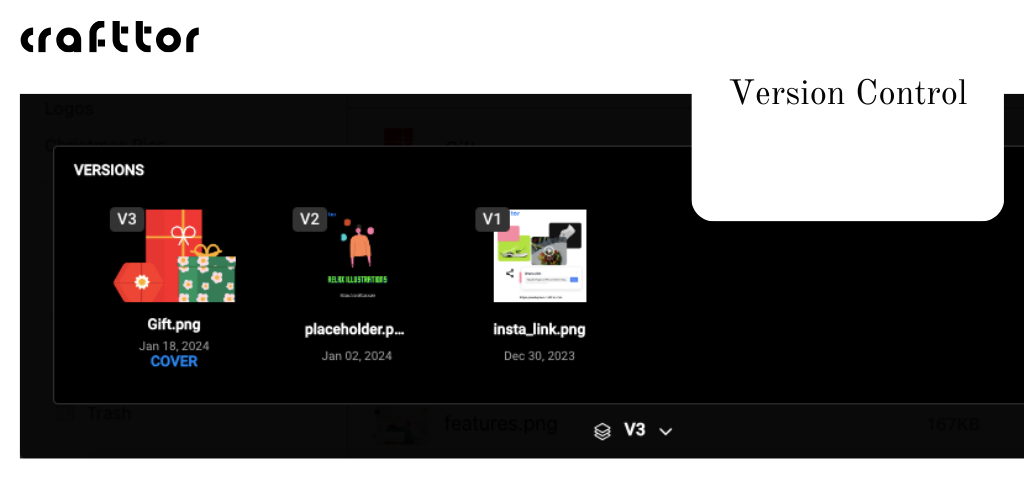
Version Control:
Version control is essential for managing revisions and iterations of digital assets, especially in collaborative environments. Implement version control mechanisms to track changes, maintain a clear audit trail, and prevent confusion over the most up-to-date versions. What if you get built-in features within your digital asset management system and with that you can prioritise accuracy and transparency in managing asset versions.
Platforms with version control system:
Air.inc
Crafttor.com - Workspace by Crafttor
Box.com
Approval system:
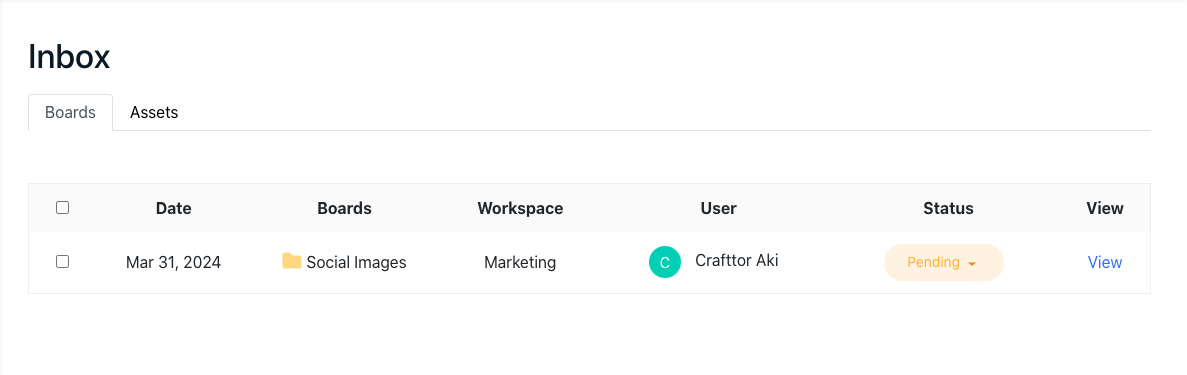
Approval system is another necessary feature that includes the approval of assets or folders before they enter your workspace and consume space. The prior checking of uploading assets should maintain a proper workflow and enhance the chances of fewer unwanted files within the system. A DAM with approval checks simplifies the management of a great team culture and efficient consumption of space. If a DAM does not have an approval system within the workspace, anyone can upload their own work at any time, which then gets mixed in with a large amount of files that later become hard to find and remove.
Platforms with approval system:
Crafttor.com - Workspace by Crafttor
Communication:
Sharing updates and receiving feedback on your work are essential factors for enhancing productivity and expediting tasks. A robust digital asset management system should include built-in features that facilitate seamless sharing of work within your team, ensuring timely delivery of projects. With the ability to easily share updates and collaborate in real-time, teams can streamline workflows, improve communication, and achieve greater efficiency. Additionally, receiving feedback promptly allows for course corrections and optimizations, ultimately leading to higher-quality outcomes and increased success.
Conclusion:
Effective organisation of digital assets is essential for optimising productivity, collaboration, and workflow efficiency within organisations. Make organisation a cornerstone of your digital strategy to empower your teams. Invest in a robust DAM system to streamline asset management and boost productivity. Organised digital assets fuel creativity, innovation, and overall success within your organisation.